It has been clear for a long time that not all saturated fats act the same. Saturated fats come in a range of lengths, dictated by the number of carbon atoms in the fatty acid chain. Look, it’s a chemistry thing, and 93% of people never did chemistry at school, let alone university. You can go to everyone’s friend Wikipedia if you want a quick refresher on saturated fat. Better still, just keep reading the next paragraph.
Let me just say, there is mounting evidence that dairy foods aren’t the evil forerunner to a life of wheezing or chest pain or drop dead heart attacks. In sensible amounts, milk, cheese and yogurt are a pretty good source of calcium, riboflavin and protein. The authors of one review paper regarding dairy and the risk of heart disease say they “could find no consistent evidence that dairy food consumption is associated with a higher risk of coronary heart disease.” There are many reasons why no clear link was seen in the studies:
Great variation in the study designs
Insufficient consideration of other lifestyle factors associated with heart disease
More low-fat dairy foods became available over the last 40 years making it difficult to compare a study from the 1970s to one in the 2000s
Often there was no distinction between high-fat and low-fat dairy products
Welcome to the world in which I live, where nutrition is not as simple as we would like, and our advice will vary from person to person. Look, I drink skim milk and eat good cheese. A contradiction? A bet each way? Or is it fine because I eat loads of fruit, vegetables, legumes, mushrooms and wholegrains? Whatever, I’m happy.
A2 milk
More recently there has been debate about the type of protein in milk and its influence on health. Milk with A1 beta-casein protein may cause more gut pain and looser stools than milk that exclusively contains A2 beta-casein. In fact, if someone has a milk intolerance then lactose may not be culprit, but A2 casein.
There is now a recent review that anyone can download. It is still early days in research terms, although the authors believe they have a compelling case for all dairy cattle to be the type that produce only A2 milk.
Nutrition can be quite simple, given a chance by Glenn Cardwell
One favourite way of getting an answer to a nutrition and health question is to gather all the most recent published studies, put them in a data melting pot, and see if you can extract a “truth”. One review did this recently and found pretty much what you might expect, depending on your personal nutrition mantra or affiliation. They compared various foods groups and types to the risk of common diet-related disease such as heart disease, cancers, gut disease, bone and organ diseases and even mental illness.
Very simply put, they found that:
Drinking tea may reduce the risk of type 2 diabetes, heart disease, Parkinson’s disease and some cancers eg breast and stomach cancer.
Coffee drinking wasn’t quite as powerful as tea, yet seemed to drop the risk of type 2 diabetes, mental illness, heart disease and colon cancer.
Milk pretty well had a neutral effect on long-term health, although it did a good job on maintaining good bone density
Wine helped lower the risk of heart disease and many cancers (yoo-hoo!), but there was a warning: every glass bumped up the chance of getting breast cancer by 5%. Usual message – respect alcohol.
Sweetened drinks increased the chance of overweight and diabetes, but only when consumed in unhealthy amounts.
Fruit and veg, as expected, are wonderful for your health, especially for heart disease and cancer, as well as helping keep your weight in check.
Wholegrains look good on all fronts, but white rice was associated with an increase in type 2 diabetes risk. The authors say that wholegrains are more health protective than fruit and veg.
Legumes are another food that looks great for health, especially with a lower risk of most cancers.
Nuts and seeds are great for keeping heart disease away, with nut lovers at 37% lower risk of heart problems. I guess they mean the unsalted type.
Meat never seems to get good press, but the negatives are usually associated with a high consumption of red meat (see my comment below).
Any food over-consumed, be it meat, soft drink/sodas, wine or coffee, will always be associated with poor health, because if you over-eat something you are likely to be under-eating something else, usually something wholesome. Drink two litres of cola a day and you aren’t likely to be drinking milk for calcium and protein. Drink a bottle of wine each night and I doubt if you are eating much fruit. Eat lots of takeaways and your vegetable intake will suffer. Nutrition is just as much about “too little” as “too much”.
So whenever you see nutrition research being sold as the truth then always reflect on your own diet and ask:
Is it varied?
Is it nutrient-dense?
Is it minimally processed?
Is the emphasis on plant-based foods?
Answer yes to all four and there is a good chance you are eating well without having (boring) discussions about whether you should fuss about carbs or fat or the type of fat, or if there is a teaspoon of sugar in the house. We sadly forget that health is about the quality and nutrient density of food, the sentiment of which was captured in a recent article by Rosemary Stanton.
I want to take a moment and introduce Glenn Cardwell, a highly respected RD from Australia. He is a no holds barred nutritionist with common sense advice that has influenced my eating habits for over 10 years.
Danny M. O’Dell
Welcome
There is so much conflicting advice about nutrition and health. Glenn makes every effort to cut through the confusion to arm you with useful tips and simple explanations to help you feel more comfortable with your food decisions.
About Glenn
Glenn is an Advanced Accredited Practising Dietitian & Nutrition Researcher with 37 years experience in clinical and public health nutrition. As a sports dietitian he worked with elite teams such as the West Coast Eagles (AFL), Perth Wildcats (NBL) and the Western Force (ARU). He advises the public, the fresh produce industry, and lectures to health professionals and university students. He is currently working closely with farmers to promote the nutrition and health benefits of mushrooms, cherries, bananas and asparagus. He has written four books, including Gold Medal Nutrition, published in the USA and translated into Russian and Mandarin!
In his early years, he worked at the Children’s Hospital in Sydney and the Heart Foundation in Perth. He helped establish the Western Australian School Canteen Association in 1994 and the world’s first professional sports nutrition body, Sports Dietitians Australia, in 1996.
Currently he is researching the influence of UV light on the vitamin D content in fresh and dried mushrooms, through Curtin University, Perth, and the National Measurement Institute, Melbourne.
Dr. Rosemary Stanton OAM has kindly allowed us to republish her excellent nutritional articles. I read several of hers before asking for her permission to use them.
She is spot on the mark with her philosophy and unencumbered by any associative ties to the food industry. She is a member of the “University of New South Wales, one of Australia’s leading research and teaching universities, renowned for the quality of its graduates and its commitment to new and creative approaches to education and research.”
Here is her profile.
Independent nutritionist, lecturer, author, currently interested in sustainable food for the future. Author of many scientific papers, over 3500 articles on nutrition and 33 books, including nutrition textbooks and several books that have analysed and rated popular diets. member of NHMRCs Dietary Guidelines Working Committee.
Soon, her articles will begin to appear here on these posts.
Daniel Pare CSO, NCCP, prominent strength
coach and owner of the St. Thomas Strength and Athletics gym located in St.
Thomas, Canada very clearly explains the differences.
My appreciation goes out to Daniel for the
information he presents in the following paragraphs. Danny
Strength training has become a very popular
approach to training, but it still a very misunderstood concept. Should kids
train to become bigger or stronger? Before we go into details let’s review some
basic facts.
There are two kinds of muscular hypertrophy.
1) Sarcoplasmic hypertrophy is the increase in size of the muscle or bodybuilding-type training. The common approach with sarcoplasmic hypertrophy is higher repetition sets. An example would be sets of 3 x 10. Such an approach to training will indeed produce a muscular pump, therefore, an increase in size of the muscle. This approach to training does not relate to strength training, but to a bodybuilding-type approach.
2) Myofibril hypertrophy is synonymous to the increase in strength of the same muscle. Here the athlete will train towards strengthening the muscles and the approach will be using lower repetition sets (3 to 5) and to more extent, the exercises are multiple joint exercises and they are performed more dynamically. With this kind of approach, the athlete should not expect so much of a muscular pump, but instead an increase in balance, agility, strength and speed; all of which are essential to sports performance and or daily life activities.
Morphological
changes naturally occur in those who strength train. These changes in the
muscle composition result from increases in the amount of muscle glycogen, the
number of mitochondria, the capillaries, the muscle fiber size, the tissues of
the connective structures, and even the bones of the affected muscles become
stronger by increasing their density.
Additional
changes taking place in the nervous system include improvements in the
intermuscular and intramuscular coordination of the muscles. The main changes
are believed to occur in the recruitment and synchronization of the motor
units. Training with and subsequently overcoming maximal resistance “causes
recruitment of a maximal number of motor units-nerve cells and muscle cells
innervated by them and the synchronization of their activity”. (Zatsiorsky
1995)
It should be
noted that these morphological and functional changes are specific for each
different exercise.
For example
use of isometric exercises for an extended time will result in an increase of
muscle cell sarcoplasm, nuclei that is rounded in shape, transverse expansion
of the motor plates, non symmetric capillary structure (illogical paths of
capillary construction which seems to serve no specific purpose) and finally a
thickening of the single muscle cell and muscle bundle materials (endomisium
and perimisium), extensions of the motor plates along the muscle cell length
and a very pronounced transverse striations in the myofibrils which are the
contractile portions of the muscle cells-these are the ones that make our
muscles do work for us. (Bondachuk et al 1984)
There is very
little transfer of strength between the different movement types, i.e.
isometric, concentric and eccentric even in the same muscles of the sport. Even
a little transfer may benefit the strength athlete thus all positive
development are encouraged. Keep in mind the specificity of training
principles, which have direct application to the strength and power sports.
270520 Strength training for the 60 plus by Daniel Pare
Hello everyone, today we are going to talk
about strength training for the 60 plus years of age. First of all it is never
too late to get started. Some of us have
been working out for years/decades and some of us are just getting
started. This article is addressed to the
ones getting started and will also be helpful and beneficial for the ones already working
out.
Why strength training? Before I go into why you should be getting involved in a strength training program I need to explain to you what strength training really is. First and foremost the main focus is not to experience too much muscular soreness and I am sure that the majority of you would agree with that. The less muscular soreness the most likely you are to keep working out. The objective is to improve mobility, flexibility and strength. In order to improve on that one thing will need to be addressed.
When you
are done walking, do some stretches.
If you are outside at the track go toward the fence and sit on the ground, your back against the fence post.
If you are on the street, I do not suggest you sit on the sidewalk, people might think there is something wrong with you… Try very hard to have your hips right against the post and your back against that post. Straighten your legs. Some of you will not be able to do that, so just go for a few reps like raise your knees up a little and take them back down again. The objective here is to have the back of your knees flat on the ground. You should not be able to slide your hand or fist under those knees at all. If you can, your hamstrings are tight and this means tight lower back. Now sit on the ground and bend your legs at 90 degrees, and lean on one side and then the other.
Find something to sit on and bring your left ankle on to your right to your quad and hold it there for few seconds.
Then repeat
with the other leg.
Then repeat with the other ankle. When that one is done then stretch your quads. For the quads you may need to start with having your left or right foot on a bench behind you and as you get more flexible you will be able to hold that foot behind you.
The next one is to lay on a flat surface, on your side and bring your right leg to the side and then bring it back to the starting position. Repeat with the left leg.
When walking you must control your breathing. Inhale with your nose and exhale with your mouth. This is going to sound weird but try your very best to walk military style (this will actually raise your heart rate more than regular walking .
By Daniel Paré, NCCP, CSO, CSPS, CSTS, Strength and conditioning coach,
St. Thomas, Ontario, Canada.
Hello everyone, today we are going to talk about strength training for the 60 plus years of age. First of all it is never too late to get started. Some of us have been working out for years/decades and some of us are just getting started. This article is addressed to the ones getting started and will also be helpful and beneficial for the ones already working out.
Why
strength training? Before I go into why you should be getting involved in a
strength training program I need to explain to you what strength training
really is. First and foremost the main focus is not to experience too much
muscular soreness and I am sure that the majority of you would agree with that.
The less muscular soreness the most likely you are to keep working out. The objective is to improve mobility, flexibility
and strength. In order to improve on
that one thing will need to be addressed.
I am
strongly suggesting to you to slowly increase your water consumption. Why
should you increase it? Very simply you will response much better if you are
hydrated. I am not referring to coffee or any other drinks, but water only. You
do not need to flood yourself, just need to slowly increase your water intake.
How to get
started and what to do? Here I am not going to tell you to get up and go join a
gym and ask a trainer to put you on a program, I am going to suggest to you to
get up and get out of the house and go for a walk. In order to improve strength we need to start
with mobility and flexibility. So, let’s go for a walk. The length of time or
distance is totally up to you. The only
thing that I am going to emphasize on is to use “common sense”.
If you have
not been physically active for a very long time (years) please be nice to
yourself. Walk at your own pace and set yourself a logical objective. Take your resting heart rate before you begin
walking and after (wrist or wind pipe). If you feel out of breath then, take a
little break and start walking again. Pace yourself.
If you
reside in the city, you could go from one street to the next or around a city block,
(this all depends on you and your conditioning level). If there is a school near you then use the
track and do a lap or laps. Most tracks
are 400 metres per lap, so 4 laps equal 1 mile or pretty close to that.
If you feel out of breath, you are pushing too hard (you can also monitor your heart rate, take your pulse over the count 10 seconds and multiply that number by 6).
080120 Mechanically wrong By Daniel Pare, N.C.C.P., C.S.O.
Good day to all. On my last article I referred
to two kinds of muscular hypertrophy; sarcoplasmic and myofibril. The following
article helps define what kind of training approach is needed to overcome, what
I classify as ‘Mechanically Wrong’.
Why is it that one day you get up and your
shoulder is aching (chosen joint for this article)? You did not injure yourself
training and you know it, so what happened? Would it structural or muscular? We
all need to realize that range of motion or flexibility with proper mechanics
of the joints go a long way. How many reps are you doing per set? Would it be
8, 10…15? Here is what I have been observing over time, one single muscle group
or an open kinetic chain exercise (the shoulder), is likely unlikely to sustain
that amount of work per exercise, let alone for several exercises per session.
Become a good observer
For most trainees, regardless of their age and gender, the high repetition sets
(8 and above) are just too much. I have actually run some in-house studies and
here are my observations.
1) The shoulder press. A little while ago a 14
years old male joined my strength training facility and, on one occasion, I
asked him to do standing shoulder barbell press behind the neck. He did 10
reps. As I am observing his form, I noticed that one of his shoulders was
loosing stability after 5 repetitions. I asked him to sit down and I proceeded
to test the subclavius. I noticed that it was not strong enough to hold
tension. I gave him a little rest and we went back to set of 5 reps. I did the
same test to realize that I just could not budge his arm. Let me remind you
that the bar used in this scenario was not a full size Olympic bar (20 Kg), but
a junior Olympic bar (5 Kg).
2) The bench-press. One day, one of my
athletes was doing bench-press with 80 Kg on the bar. I looked at his form to
realize very quickly that he could not keep sturdy shoulders after the 5th rep.
I realized that his shoulder started to shift at around 4 reps then, the bar
ended up over his eyes on the 8th rep and eventually, by the 10th reps he was
trying to gain momentum by bouncing the bar off his chest. After his set of “12
reps” I asked his to sit down and I proceeded to test the infraspinatus to
realize that it could not hold at all. I asked him to rest a few minutes then,
I told him that I would tell him when to stop. This time I noticed that his
shoulders were not doing their job after 2 reps. Since it was not doing
anything beneficial I advised he only do 2 reps. He was not too sure about that
and he was skeptical. I asked him to focus on sets of 2 reps for a little
while. He was not too sure and quite scared I might ad. He persevered and
within 3 weeks he was able to bench press 100 Kg for 5 sets for 5 reps and each
set was closely monitored (testing).
3) This last one involves an Olympic
weightlifter. Are you familiar with the snatch lift? The snatch is the
one-motion lift and it is the Most Explosive Athletic Movement in Sport. On
that particular training day, one of my athletes was not able to hold the bar
above his head in the squat position. After watching him do the snatch I
quickly realized that his left shoulder was collapsing under the bar. I asked
him to sit down, so I could proceed with some testing. I found out that he had
a weak infraspinatus, weak middle trapezius and weak rear deltoid. Interesting!
That particular athlete was able to train, but could not lift what he wanted to
do. After working on strengthening the muscles above-mentioned (he saw a
Registered Massage Therapist RMT for part of the process) he was able to resume
heavier training sessions very rapidly.
Whether you are doing barbell curl, triceps
push down, lat pull down, squats… the same protocol should apply. If your idea
is to focus on high repetition sets, make sure that you are paying close
attention to form and technique. When the bar starts to go through a different
groove and it starts moving unevenly, something is not right. By not paying
close attention to proper form and technique, you will develop very poor
function of that joint, this in turn will create pain, which may end up in more
severe consequences.
Unless you are warming up, you should focus on a more productive approach being
5 reps per set(s).
“There is no way you can remain productive and
get substantial lasting results, if you keep training at the level where
everything becomes weak! You just can’t win. It is likely the reason why most
trainees do not succeed in their quest to succeed”.
A key component in
assessing an individual’s health and physical fitness is knowing the body
composition makeup. Obesity (excessive body fat relative to body mass index
(BMI) of 30 kg/m2 or more) and becoming overweight (Adults with BMI between
25-29.9 kg/m2 or with children being in and over the 95th percentile
for their age and sex) is at epidemic proportions in the United States and the
trend is gathering momentum.
Right now, we are at the
top of the fat list compared to the majority of the nations in the world-an
unfortunate but sad fact.
Being obese brings
serious health consequences and reduces life expectancy by increasing the risk
of developing serious diseases such as coronary heart disease, hypertension,
aka the silent killer, type 2 diabetes, obstructive pulmonary disease,
osteoarthritis and even certain kinds of cancer.
Just as too much fat in
the body can cause problems, so can too little. Our body needs fat to operate
in a normal physiological fashion. For example the essential lipids such as the
phospholipids are vital to cell membrane formation. The non essential lipids
such as triglycerides which are found in the adipose (fat) tissue protect the
body by providing a layer of thermal insulation. Fat tissue assists in storing
metabolic fuel in the form of free fatty acids.
These same lipids are
also involved in the storage and transport of the fat soluble A, D, E, and K
vitamins and in helping to maintain the functionality of the nervous system.
The menstrual cycle in females and the reproductive systems in both male and
female rely on these cells, as does the growth and maturation processes of the
pubescence child.
Thus too little body fat
as seen in those with eating disorders such as anorexia nervosa, or someone
with an exercise addiction or even certain diseases such as cystic fibrosis can
lead to serious physiological health related consequences.
The best option is to be
in the normal range for body fat, not over or under the recommendations if you
desire to have good health.
Beginning around the fourth decade, we start to lose a small
percentage of the ability to keep our equilibrium[1].
Losing your balance leads to falls and possible fractures, or other injuries if
not prevented.
Prevention begins with daily practice. Standing on one foot
or with heel to toe for multiple seconds at a time (60-120) will help stave off
this decline in balance. Leaning toward the floor on one leg with arms to the
side or rear will change the center of gravity and will change the feel of the
exercise. In each instance it is important to have the ability to catch
yourself on something solid to prevent a dangerous fall from happening in the
event you do lose your balance while doing these.
Of course, there are many other ways to practice balance
training but this article is not being written to list them all. Suffice it to
say balance is a critical part of living a healthy life.
[1] Bodily balance. A physical state or
sense of being able to maintain bodily balance
101119 The Seventeen Absolute Rules of Strength Training
Reading through these rules will be the ONLY part of your
strength training that is going to be easy.
Consult with your Doctor before starting a new exercise
program.
RULE # 1: THERE ARE NO SHORTCUTS TO STRENGTH!
You probably don’t want to hear it but that’s a fact.
A strong foundation is built with basic full body
strength exercises and not fluff done on an exercise ball. This is a critical
first step to improved physical fitness. You have to work hard to be strong.
RULE # 2: It’s a rough road filled with pitfalls
If you are just starting out then you can avoid the
common pitfalls of training. These are the ones the magazines NEVER tell you
about, like spending your hard earned money on the supplement of the month, or
the ones that will give you bulging biceps in twenty days or those that
proclaim doing one set to failure will make you huge.
What a crock! We are not talking rocket science here;
it’s as simple as the rest of these seventeen rules, however, knowing this
isn’t going to make your training easier. But at least you’ll know what you’re
getting into won’t you?
Rule # 3: You have to work hard to get stronger. This is not going to be a ten-minute
strength program or one that consists of sitting on a bike and riding it slowly
for a long time, i.e. in the phantom fat burning zone There is no such a zone.
Intensity is what it’s all about and low intensity doesn’t cut it.
Rule # 4: You have to have a solid well designed training program. Just going
into the gym and doing what everyone else is doing won’t make you stronger. It
will make the gym owner happier because they don’t have to spend any time
working with you in an area they probably don’t know much about anyway. Get
with a good strength coach and get on a good program designed for you and not
for every other person that stumbles into the gym wanting to do bench presses
or ride the bike to lose some weight. Be focused with your training time and do
it right each time you exercise.
Rule # 5: You have to overload the muscles of your body in order to become
stronger-soups cans won’t cut it unless you are working the shoulder rotator
cuff muscles or are into your eighth decade of life and have not exercised and
stayed healthy.
Moreover, neither will working out in the so called fat
burning zone. This is just another term for don’t push your trainee because
they may not come back again and you need the money. This type of trainer is
either one of two things, unethical or uneducated. Neither is what you need to
get stronger.
Rule # 6: You have to be under the loaded bar a certain amount of time in order
to stress your muscles. This is time under tension and I am NOT referring to
slow movements. There are very few activities or sports that require slow
movements. Explosive speed is usually a critical component in any sport and in
regaining your balance to prevent a fall. Train slow to be slow…it doesn’t make
sense to train slowly. So don’t do it.
Excite the neuromuscular system and be rewarded with
positive results.
Rule # 7: You have to do multiple sets and multiple repetitions. One set of an
exercise is not going to make you strong.
Rule # 8: You have to pick the right exercises for your particular goals. If you
are active in a sport then choose the exercises that imitate the velocity,
joint angles, and coordination required for the greatest training transfer into
your sport.
Rule # 9: You have to struggle; it is not easy. Granted, there are times when
just putting a check on the calendar after a light restorative workout is in
order to show yourself you exercised may be ok. But, these days should be few
and far between, especially if you are noticing a lot of them during a training
cycle. If so, something is wrong with your schedule and this needs to be
addressed.
Rule # 10: You have to sweat and it isn’t pretty. I am not talking about sweating
for the sake of exercising your sweat glands. I am referring to the sweat that
comes from hard work.
Rule # 11: You have to train more than once every seven to fourteen day. The
people who tell you that gains can be made by training only once every seven to
fourteen days are selling you snake oil. It doesn’t work.
Rule # 12: You have to rest and recover to build strength. Active rest and the
use of recovery aids will help get you stronger because it allows the muscles
to rejuvenate and adapt to the training.
Rule # 13: You have to eat five to six times a day-not huge buffet style eating.
Getting the nutrients into your body is an important factor in becoming
stronger. Your car won’t run without gas and neither will your body grow
stronger without food. Keep your body filled and there won’t be a moment when
it is searching for a specific nutrient to rebuild the muscles.
Rule # 14: You have to eat the right amount of calories and the proper nutrients
at each meal. You don’t need to be taking multiple hundreds of grams of protein
a day unless you weigh multiple hundreds of pounds. You do need to get at least
a gram per pound if lifting heavy every day.
NOTE: Us older people
don’t assimilate the protein like the younger people do, so make sure you are
getting at least the minimum amount throughout the day for your body weight.
RULE # 15: You have to exercise your body every single day.
However, too much, too soon leads to an injury,
overtraining or peaking before your potential is reached. Follow a decent
periodization schedule and you will gain strength.
RULE # 16: Follow the advice of a nationally certified strength coach, i.e. NSCA
or ACSM. These men and women know how to get people strong. You must realize
that many of the so called trainers out there have simply paid their money over
the internet and have obtained a certificate. In one such case, the test
booklet is on line and the test can be taken while looking at the book. Is this
who you want helping you out?
RULE # 17: Persistence counts-stick to it and you will become stronger.
Side note:
The rise in obesity in our nation is costing each one of
us a fortune in increased health care premiums, lost hours at work and a poorer
quality of life. Do your part to maintain your correct weight by exercising
each day following the fitness triad recommendations and eating a healthy well
balanced diet.
High blood
pressure has been called “the silent killer”, and for good reason. People with
high blood pressure normally do not even realize they have it. There are no
outward signs until a stroke, coronary artery disease, or kidney failure
suddenly shows up in a life-threatening event.
Blood pressure
is the resistance the heart faces as it attempts to pump blood through the
body. The top number (systolic) is the amount of resistance the heart has to
overcome in order to push the blood throughout the body during a contraction.
The bottom number (diastolic) is resistance in the system while the heart is at
rest. Any number combination greater than 140/90 is considered high blood
pressure. This condition needs a doctor’s attention. Many people have high
blood pressure and don’t even know it. Do you know what yours is? If not get it
checked and find out, it just may save your life.
Many studies
over the past ten years have found that a properly designed exercise program
can, in some cases, lower the blood pressure numbers as much as 10-20 mm hg.
(From Exercise Physiology page 805-810)
Aerobics
conducted at a moderate rate of 50-70% of your target heart rate for 30-45
minutes daily on a treadmill, bicycle, stair stepper or any other type of
sustained activity seems to be the ticket to better heart health. The 30-45
minutes of daily activity does not have to be all at once but can be split into
several sessions during the day. Even ten-minute sessions, several times a day,
may produce noticeable changes in your numbers. Of course this is in conjunction
with a modification of your diet to a more healthy life style of eating
patterns.
An accurate way
to figure your target heart rate is to use the Karvonen method. (The Percentage
of Maximum Heart Rate, calculation can be off by as much as 10 beats per
minute, but it is normally the one used on the large chart found on many gym
walls).
To calculate
your target heart rate, follow this formula: (from the second edition of
Essentials of Strength Training and Conditioning by T.R.Baechle and R.W Earle
page 500):
Age-predicted
maximum heart rate (APMHR)=220-age.
Heart
rate reserve (HRR)=APMHR-resting heart rate (RHR). Take this before you arise
in the morning.
Target
heart rate (THR)= (HRR x Exercise intensity) + RHR
Do this
calculation twice to determine the target heart rate range (THRR).
NOTE: Check
with your doctor before beginning any new exercise program. Do not stop taking
blood pressure medication without consulting with your doctor.
*The National
Strength and Conditioning Association (NSCA) has a complete list of certified
trainers that are capable of assisting you in your quest to better health. The
NSCA can be reached at 1.800.815.6826 or at www.nsca-lift.org.
061119 Childhood obesity-is physical activity an answer to the problem?
A grandparent’s guide to helping their grandchild overcome
obesity. Adding muscle
Include some resistance training in the mix as muscle burns
calories faster than fat tissue.
These must be fun or you will lose their interest and then
it’s back to the couch. Not only will it make their muscles stronger it will
build their confidence up and give them a sense of accomplishing something
they’ve never done consistently in the past.
Build the program on their strong points-don’t just hammer
away on the negatives, they’ve been hearing that a long time now and don’t need
it from you on what should be a fun day. Try a game of touch football, or
softball even Frisbee. Give them a chance to throw a heavy ball back and forth
or balance on a large stability ball. Find something they are good at and help
make them better at it.
Go to the local water park and let them swim or paddle
around, show them how to jump in the air or run in place in the water. Get them
to move their hands through the water using is as the resistance see how many
times they can make a complete circle with their arms through the water and
back again.
Set down and plan out a fun day with your grandchild, get
some ideas from them as to what they would like to do-just make sure it’s not a
setting activity.
Use or lose it holds true in childhood just as it does later
on in life and we can’t afford to continue to lose it at these early ages.
031119 Childhood obesity-is physical activity an answer to the problem?
A grandparent’s guide to helping their grandchild overcome
obesity. The benefits of activity
Often another common dominator are the parents and
grandparents who are also obese and sedentary, thus setting poor examples for
the children in their care. This is especially true in the early years of their
development-the critical first ten years of their lives.
Looking at the total picture we commonly see a lower level
of activity leading to greater fat storage, which in turn leads to a less
active life style-and the cycle, continues round and round.
Most adults know a few of the benefits of greater physical
activity. In case you aren’t aware of them here are a few of the most important
reasons to begin exercising:
• More
efficient weight control
• A greater
reduction in the area of accumulated fat, i.e. the mid section
• Blood
pressure readings may become lower
• A decreased
risk for Type-two diabetes
• An increase
in self-esteem, confidence and physical fitness-the end goal
Just knowing the benefits of an active life style may be
enough to get an adult moving but it’s not enough to motivate a child. More is
needed to get them up off the couch or from in front of the computer screen.
Planning a day of fun will get them going, but it has to be fun activity not
just exercise. First, make certain they are able to exercise by getting a
thorough physical from the doctor or health clinic. After that is done, start a
program with your grandchild by following some of these suggestions.
For example, go out to the park or walk in the woods next to
your home, show them how to skip, or to run sideways, or hop over things. Have
them move their arms in opposite directions to one another, jump on one leg for
twenty times then switch to the opposite one for another twenty jumps. See who
can go the longest without losing their balance. Jump in patterns drawn on the
ground, stars, crescent moon shapes or the Milky Way would be a good start.
Go on a bike ride or a skating adventure around the block or
to the nearest friend’s house, ask them if they would like to go with you.
01119 Childhood obesity-is physical activity an answer to the problem?
A grandparent’s guide to helping their grandchild overcome
obesity. Background information
In many of the industrialized and underdeveloped countries
around the world, obesity in our children is reaching epidemic proportions.
This emerging problem is directly attributed to the increased time they spend
setting and watching a ‘screen’ of some sort, which automatically results in
loss of physical activity. In other words, our kids are on their butts too long
and too much. So, what is the answer, short of pulling the plug, which in my
estimation should have done long ago? Here it is in a nutshell: Get them
active!
Pretty simple sounding advice isn’t it. But how, you may be
asking, do I go about doing that with my grandchild? Before getting into that
aspect of the problem, take a moment to consider these facts and figures.
There’s more.
Studies taken from the past thirty years clearly show a
dramatic increase in the prevalence of obesity, for example in girls aged 6-11
it went up 106 %, in boys of the same age, it was 108%.
Taking a snapshot look at the beginning teen years shows an
even more shocking trend in the boys aged 12-17. Obesity is up 146%! This is a
time when MAJOR neuromuscular functions are developing including agility,
balance, coordination and muscular strength. The girls in this age bracket were
much lower comparatively speaking at 46%-still too high as far as I am
concerned.
Now let’s compare the time spent in front of television
during these sensitive growing years. This is taken form a study by Gortmaker
et al. 1996 (it is somewhat outdated but nonetheless shows the trends beginning
even back then.) Obesity was up 10% for those in front of a TV for up to two
hours a day, and continued to rise up to about 23% for the children who watched
up to three hours a day. It kept climbing higher as the hours setting watching
increased. 29% @3-4 hours; 30% @ 4-5 and more than five hours it was nearly
35%. Now how in the world can anyone set for beyond five hours and watch TV?
Some of the diverse reasons behind this rise in inactivity
by these kids include being made fun of by their peers, being called ugly or
thinking, they are ugly. The result is they do not participate in social or
sport activities. Team sports requiring running or jumping places the obese
grandchild at a distinct disadvantage so they tend to avoid these sports
altogether.
111019 Strength training for the ActivelyFitSeniors
Resistance training is known to be highly beneficial and it
is recommended activity.
Before you begin discuss your plans with your health care
professional, there may be certain exercises that could cause damage to your
joints especially your back. Once this topic has been thoroughly explored and
you get the go-ahead, then it is time to begin your training regimen.
Start with a good overall body warm up consisting of rope
skipping, bike riding, treadmill or some other cardio exercise. After you have
your temperature, pulse and muscles warmed up then move into a more torso area
directed warm up followed by the exercise preliminary warm up. These are the
lighter weight warm-ups that you will use before beginning your workout sets
with heavier weight on the bar. Focus a few more sets and reps on those areas
of your body that are more susceptible to injury.
As for the exercise plan, do your large muscle groups with
three to five sets of eight to twelve repetitions. Rest one to three minutes
between each set and then rest four to five minutes between the muscle groups.
You will want to do shoulders, upper back, chest, arms,
midsection, lower back, quads, hamstrings, and calves. These can be split upper
or lower if you decide to lift five days a week. Do lower there times in one
week and upper twice then switch the next week.
If you choose to lift three times a week, limit your time in
the gym to around 55-65 minutes total time.
Free weights will make you stronger and more coordinated
while at the same time helping you maintain your full range of motion.
We tend to think our
bodies deteriorate due to the aging process but the truth of the matter is
being sedentary most of the time is the major culprit. In addition to being
sedentary, there are physiological reasons that our bodies deteriorate, as we
grow older.
According to the
current research there are at least five neuromuscular changes within our body
that have a direct effect on this age-related loss of muscle mass commonly
referred to as sarcopenia.
Shrinking of the muscle fibers occurs
within the cross-sectional areas of all muscle fibers. This is especially
true in the fast twitch type II fibers. These fast twitch fibers are the
power and strength producing portions of the muscles that help prevent
falls and assist in the daily tasks of lifting objects and moving about.
There are fewer motor nerves with a
corresponding increase in the size of the remaining motor units. It is
known that when a motor nerve, typically fast twitch, dies off because of
the aging process all of the muscle fibers these nerve support also die
off. A few fibers remain which are innervated by neighboring motor nerves.
However, this innervation tends to increase the size of the motor units
thereby changing the existing ratio between the slow twitch and fast
twitch fibers within the muscle. This change results in more, slow twitch
fibers.
The neuromuscular junction experiences
structural changes due to the aging process. From this junction, the nerve
sends its chemical signal to activate the muscle. One of the changes that
takes place is an unraveling in the folds on the muscle cell membrane.
These folds contain receptors that receive the chemical message sent by
the nerve controlling the muscle. Subsequent to this unraveling, the cell
membranes flatten out. This increases the distance between the receptors,
which reduces the quality of the signal.
An additional structural change involves
the myelin sheath. The myelin sheath is a fatty type of insulation that
wraps around the nerves thus preventing short-circuiting between nerves in
close proximity to one another. There is an encroachment of this myelin
sheath between the muscle cell and the nerve signaling port called the
synaptic cleft. This intrusion partially blocks the chemical message sent
from the nerve to the muscle thereby weakening this transmission. Both of
these structural changes, the unraveling and the myelin sheath
encroachment, reduce not only the speed of the transmission but the
quality of the messages emanating from the nerves to the muscles. The
ultimate result of these two changes adversely affects how the muscles
contract.
As a person ages, there is a reduced
amount of calcium flowing inside the muscle. Consequently, this leads to a
less powerful contraction. It is this less powerful contraction that
increases the potential of falling. Why, you may ask, is this the case?
Briefly, let me explain. If you recall from your school days when the
formula for power was written on the blackboard it showed this formula:
power equals mass (work) over time. In this case, if you have a less
powerful contraction of your lower torso muscles, it means it is going to
take you longer to regain your balance if you begin to fall simply because
the capacity of your muscles to exert power has been reduced.
There are fewer immature cells
surrounding the mature muscle fibers. These immature cells not only
produce new fibers but they are also able to fuse two existing muscle
cells into one that then controls the protein synthesis within this muscle
tissue. So the loss of these immature cells decreases the potential of the
muscle to both repair and increase the hypertrophy of the muscle.
It is essential to
stay active, to engage in physical exercise and maintain a high level of
fitness into our old age. This following chart* clearly tells the story of
aging with and without exercise.
Determining Factors
Aging without exercise
Aging with Exercise
Percent of Body
Fat
Increases
Decreases
Percent of Lean
Tissue
Decreases
Increases
Blood Pressure
numbers
Increases
Decreases
Heart Rate
Increases
Decreases
Serum Cholesterol
Increases
Decreases
Range of Motion
(also known as flexibility)
Decreases
Increases
Strength
Decreases
Increases
Lung Function
Decreases
Increases
Bone Mineral
density
Decreases
Increases
Cardiovascular
Capacity
Decreases
Increases
*Unknown author or
origin
A simple comparison
of the lists quickly shows that exercise is vital to living a healthy life. The
old adage of use it or lose it certainly applies here.
True fitness is a
combination of four, at minimum, physical elements, each supported by the
mental component.
041019Burning off the calories and keeping healthy
Physical activity burns calories. The optimum method of controlling your weight is a combination of good nutrition (see a registered dietitian), and exercise. The question now is what kind of exercise is the most efficient and longest lasting in its effects.
Many people use aerobics too successfully to help control their weight and improve their physical fitness while others use strength training to achieve similar goals.
In each case, physical activity speeds up your metabolism for a few hours afterwards. Of course, how much this materializes depends a great deal on the intensity and duration of the activity. Nonetheless, it happens and at a higher rate than if, you did nothing at all.
The best way to keep this higher rate of calorie burning is to strength train. The reason: strength training increases your lean muscle to fat ratio. The higher this ratio is the more your body burns the calories because muscle tissue is more metabolically active than fat tissue.
Strive to strength train 2-4 times a week for a minimum of thirty to fifty minutes at a time. Do your large muscle groups such as the chest, shoulders, legs, and back for 3-5 sets of 8 to twelve repetitions for each exercise. On the off days from strength training, do your aerobic training for fifteen to forty minutes per session.
No matter which method you choose, consult with your doctor beforehand, keep the intensity up, and stick with it.
If you are over 40 years old, you have no doubt started to experience a certain amount of inflexibility. Inflexibility begins to creep up starting at about age 40. This happens because the tissues surrounding your joints start to get a little bit thicker and your muscles start becoming less elastic.
Taking a few steps each day to counter this impending inflexibility issue can make a big difference in the ease with which you move your body. Flexibility makes life easier by improving your balance and posture while at the same time helping to reduce the muscle tension around the joints.
During this age of sitting and looking at the computer or TV, your body is adapting by lengthening the muscles of your back and shortening the muscles in your abdominal region. Consequently, many people are now walking hunched over with lower back pain.
An easy stretch to help alleviate these two problems is to stand with your back in front of a counter top and gently tipping backward into an extended position. You want to make sure that your feet are not going to slip out from in front of you while you are tipping backwards against the countertop.
Another good stretch for your lower back, often used while sitting at your desk, is to put one leg over the other at the knee. For example, if your right leg is over your left leg, you are going to be moving your upper body in a twisting motion to the right. You are going to feel a stretching sensation in your lower left back. Intensify this stretch by tipping forward to the right as you are twisting to the right.
290919 Setting yourself up for success with your exercise plans
A
beginning exercise program should be fun and easy to follow. It should not be a
complicated affair filled with complex and hard to follow directions or
intricate movements. Just keep it simple, follow it each day, and have fun. The
more complicated you make it the harder it will be to stay up with it.
Set
your goals as precisely as possible. For example, telling yourself you want to
be stronger may sound good but it is too general. Do you want to be able to do
one push up or one hundred? It makes a difference doesn’t it?
Be
specific about each of your goals by knowing exactly where you want to go with
your exercise dreams. Decide how you want to exercise, how much you want to
exercise, how long you have to reach your goals (both immediate and long
range), and how much time you will dedicate to each training session. Without
knowing each of these and writing them down it is unlikely that you will actually
get there.
Start
out slowly and don’t overdo it the first time. It is easy to be over
enthusiastic when beginning but this same enthusiasm can lead to being
extremely sore the next day. This is something that catches unwary trainees by
surprise. Good coaches nip this in the bud by not piling on exercises.
Remember, if you are a coach, that it is easy to make someone sore.
You
will have to decide whether you need a workout partner. Some people do well
with one and others do well on their own. It all depends on your need to be
with someone when you exercise.
If you
find the right partner, each of you can exceed your expectations in the gym
with the mutual support and encouragement you provide to one another. However,
if you hook up with a lackard, one who does not show up on time, doesn’t push,
or is too social then your training will suffer. You have to decide what is
best for you.
Whatever
you do, it has to be a fun experience otherwise, you won’t keep it up.
Morphological
changes naturally occur in those who strength train. These changes in the
muscle composition result from increases in the amount of muscle glycogen, the
number of mitochondria, the capillaries, the muscle fiber size, the tissues of
the connective structures, and even the bones of the affected muscles become
stronger by increasing their density.
Have you
considered the influence the CNS has on the body during one limb lifts? It has
been shown that greater force production occurs while exercising one limb at a
time than when both are used simultaneously. Reasons vary for this phenomenon
but include by exercising unilaterally the neural activity is more concentrated
on the one limb. Another theory is by exercising one limb at time the other
limbs motor units are not interfering by participating in the movement. The
result of having more strength and power with one limb compared to using and
combining the total of both limbs is a bilateral deficit. Bilateral deficit, if
displayed by the athlete, occurs in both arms and both legs not in one leg and
one arm.
Now in my
experience this is a rare occasion, one in fact that I have never observed in
the athletes that train with me. Most have difficulty even approaching half the
total of two limbs with one limb. A classic example is the military press. How
many can military press two hundred pounds with one arm? A few, granted, but
not many. Most however can military press two hundred pounds with two arms.
Now the
literature bears this observation out as the bilateral deficit generally occurs
only in untrained individuals. Most weightlifters lift bilaterally with either
the arms or both of the legs moving in the same direction and not separately.
This is known
as bilateral facilitation, which is obviously the reverse of bilateral deficit.
Morphological changes naturally occur in those who
strength train. These changes in the muscle composition result from increases
in the amount of muscle glycogen, the number of mitochondria, the capillaries,
the muscle fiber size, the tissues of the connective structures, and even the
bones of the affected muscles become stronger by increasing their density.
Briefly stated the posture in which one strength
trains and exercises should in most ways mimic the posture of the sport. The
angle and or muscle length of the exercise movement should also be similar to
the activity.
Typically, in the strength field, we try to
discourage momentum from taking the place of muscle recruitment during the
lifting process. However, the speed of the sport needs to be addressed in the
weight room thereby making velocity of movement critical to the application of
force, which is necessary to overcome the resistance on the bar.
Movement patterns of the sport must, whenever
possible, apply to the strength development process. These patterns can only
developed through a carefully thought out strength program, specifically
designed for the individual athlete. Strength for each particular move not only
depends on the size of the muscles cross section of fibers but also upon the
recruitment and synchronization of the muscle cells firing of the various motor
units. This comes from training the neuromuscular pathways. Training as you
play increases the chances of playing as you train because as Dr. Stuart McGill
has stated “practice makes permanent.”.\
Only the newest strength athlete can and will
benefit from using only one exercise to enhance all other areas of strength.
According to Wazny, 1992, increases in static strength do not cause cross over
increases in dynamic strength except in the beginner.
Influence that the central nervous system has on
strength development is tremendous. Stimulation, just prior to or, during the
strength test results in quantitatively measurable increases in the final
output.
Hypnosis has the largest impact at producing a 26%
greater output. In 1961 tests revealed that forearm strength was increased by
7.4% within two to ten seconds after a pistol shot and 12.2% if the athlete
shouted during the application of force. These are significant increases in
strength. Imagine a 26% increase in your squat, your deadlift, bench press or
your total.
Never forget the cowardly attack on our nation on this date!
110919 Combining strength training with endurance training
It has been well documented that exercising in moderate to
intense spurts of as little as ten minutes at a time during the day will
increase your physical fitness. Each of the following exercise series are
approximately ten to twelve minutes in length. They are well within the
moderate to intense realms of intensity. These intensity levels are necessary
to build strength endurance and to encourage fat loss to occur.
You will be alternating between upper body and lower body or
vice versa. This form of exercise works due to the continually changing demands
on the various muscle groups being challenged, and then rested repeatedly
throughout the ten minutes of continuous exercise.
In addition, if you follow the instructions, you will get
stronger, both physically and mentally. Begin by first reading through the
directions to get familiar with the explanation of how to go through the
exercises.
You must constantly monitor your heart rate.
All of the exercises follow the same directions:
After the warm up, do each set of the two exercises in this order: The first is for one minute, the second thirty-seconds, active rest for one minute, repeat the cycle of sets three to five times.
It should be obvious that starting out with a full minute of
a continuous exercise may be too much. If so then modify it to suit your
fitness level. For example, with one of my ninety-two year-old trainees I have
him do thirty seconds on the first exercise and fifteen on the second. It works
well for him and he constantly improves during the time we use this type of
training.
You younger trainees do the first exercise for one-minute, the second for thirty-seconds, and then active rest for one minute. Modification to the individual is the key here.
If you do an upper torso, followed by a lower, and then mid
torso exercise, there is a built in rest.
To the trainee: I cannot emphasize enough about being in contact with your physician and discussing your plans to engage in this type of an exercise regimen.
A good beginning is to start with the physical activities readiness questionnaires (PARQ), which may be available from your trainer. If not, it is on the internet.
We begin with these exercises taken in any order you want to put them for your trainee. When it says skip you can substitute any other form of cardio in its place. If you have an artificial joint then ride the stationary bike because the impact of skipping on the joint is not recommended.
This first example is a leg series.
After the three to five minute overall body warm up, do each
set of the two exercises in this order:
The first listed for one minute, the second is a
thirty-second rest; skip for one minute, repeat the cycle of sets three to five
times
By Nick Nilsson Author of Metabolic Surge – Rapid Fat Loss
STEP 5 –
SUPPLEMENTS for Fat Loss
When I
refer to supplements here, I’m NOT talking about fat-loss pills. These pills
are not the answer for losing fat. Your own natural metabolism IS and it’s WAY
more powerful than any pill.
When I
refer to supplements, I’m talking about supplements that help SUPPORT your body
nutritionally, not send it into a hyper-alert state that fries your nervous
system.
When
training to lose fat, here are the supplements I highly recommend:
• Protein Powder – to help with
rebuilding and repairing muscle tissue and keeping the immune system functioning
well (learn about protein and fat loss here)
• Glutamine – helps speed recovery and
boost the immune system
• Multivitamins – to help you cover all
your nutritional bases
• Vitamin C – helps repair joints, is a
strong antioxidant and boosts the immune system
• Calcium/Magnesium – for your bones
and also for muscle contractions…it’s hard to get enough of these nutrients
when reducing caloric intake
These are
the basics, as far as I’m concerned. It’s critical to give your body ample
nutritional support when trying to lose fat.
CONCLUSION:
These 5
simple steps should get you started on your way to losing the extra fat. Here
are they are in review:
Step 1 –
improve the quality of the food you eat
Step 2 –
eat less food
Step 3 –
start weight training
Step 4 –
include some cardio training
Step 5 –
use supplements to support your body
Go through
the list step-by-step and you will on your way to fat-loss success.
Some risk factors are under your control
whereas others are not. Here is a brief list for your consideration.
1. Gender-of the ten million people with
osteoporosis in the United States 80% of these are women. Particularly
affected, and at increased risk for the disease, are Caucasian and Asian
women.
2. As you grow older your risk increases.
3. Your diet and health history habits make contributions to the disease.
Drinking alcohol and smoking, along with a lack of calcium and vitamin D and
exercise hasten the onset of this bone weakening condition.
4. Other health conditions such as hyperthyroidism, chronic kidney disease and
rheumatoid arthritis seem to predispose a person to osteoporosis.
5. Medications such as thyroid medication and oral steroids can damage the
bones.
040919 Cardiovascular and respiratory endurance training
The principle
methods used to develop the cardiovascular and respiratory systems revolve
around working below the anaerobic (without oxygen) threshold pace for both
time and distance. This means performing a cardiovascular exercise at a pace
fast enough to tax the physical response of the two but without going into the
anaerobic ranges. The anaerobic range gets its turn at the end with a fast
sprint to the finish line and you need superior strength to excel in nearly
every physical activity. Taxing both the cardiovascular and respiratory systems
is the goal of endurance (aerobic, with oxygen) training programs. Since the
physical ability that is needed to move the limbs seems to disappear, first
let’s look at this next.
Strength, as most
can agree, is a vital component of training no matter if it’s endurance or
power, you still need the strength to move your body. In the case of the
endurance athlete, this strength comes from the development of strength
endurance. A lack muscular endurance means you will not be able to go long
distances if your muscles can’t continue putting out the force necessary to
move the limbs.
The majority of
endurance athletes lack muscular endurance. This is commonly seen at the end of
a long race when one participant has a strong kick and the others fall behind
at the finish line. Another example of this occurs when some of the athletes
seem to be just barely moving their legs forward in a shuffle instead of a
powerful stride to the end. However, is it all just in the muscles? Hardly so.
Respiratory fatigue
precedes cardiovascular fatigue symptoms and therefore gives out sooner thus
limiting the power output of the muscles engaged in the endurance activity. The
respiratory muscles must be able to continue onward for long periods and still
produce adequate power output to ensure a successful outcome.
Training muscular
endurance requires high repetition numbers some even as high as two hundred to
two hundred and fifty for one set. These are mentally hard training sessions
and not ones for the faint of heart.
By Nick Nilsson Author of Metabolic Surge – Rapid Fat Loss
STEP 4 – CARDIO TRAINING for Fat Loss
Even though you may think I’m opposed to cardio training
judging by what I wrote above, that is NOT the case. Cardio definitely has a
place in a fat-loss program.
I have three main issues with cardio training for fat loss:
1. It shouldn’t be the main focus of a fat-loss exercise
program when it so often is.
This is a point I mentioned above – I believe weight
training should be the focus of an exercise program for fat loss. Not only is
it more effective for fat loss, there is actually LESS chance of injury than
with the typical repetitive-movement cardio activities (anyone who has tried to
take up jogging when they’re 20+ pounds overweight can attest to that!).
2. It’s normally done with low intensity and for long
periods of time, which does NOT boost the metabolism.
The REAL key to losing fat is ramping up your metabolism to
burn calories ALL THE TIME rather than just when you’re exercising. By keeping
intensity low, you only burn calories DURING exercise, not so much after. But
when you boost intensity, your metabolism gets cranked up and you burn more
calories ALL DAY.
3. It’s typically done WAY too much.
In order to get results with typical long-duration cardio,
many people do it upwards of 5 or 6 and even 7 days a week! This is fine if
you’re an athlete training for an endurance competition but if you’re a busy
person (as many people are), you just don’t have TIME to sit on a stationary
bike for an hour a day.
Couple that long duration and high frequency with a
repetitive movement and you not only have greater chance of injury, you also
have greater chance of boredom (which sometimes means giving up on exercise
altogether because “it just doesn’t work for me”).
My recommendation is always to use interval training instead
of the long-duration cardio training. It can be done MUCH faster (10 to 20
minutes), boosts your metabolism for long periods AFTER training, and finally,
it actually helps your body hang onto muscle tissue while burning fat.
There are two ways to include cardio in with the weight
training program I described above.
1. Do your cardio training immediately AFTER your weights.
When you do it this way, don’t eat anything after you do
weights – just go directly into your cardio after a few minutes rest. You only
need about 10 minutes of training to really make a dent in your fat stores.
This has the advantage of allowing you to get all your training done all at
once (in the gym 3 times a week and that’s it).
2. Do your cardio training on separate days or separate
sessions
This is a good way to go in that you won’t be tired from the
weight training when you do the interval training. You may need go a bit longer
in your sessions (e.g. 15 to 20 minutes) when done on its own. This method does
have the advantage of giving your metabolism a separate boost in addition to
the weights. When doing it this way, you can do cardio on its own on Tuesday
and Thursday, for example.
Either method is very effective. The real key is working
hard at the training.
NOTE: DO NOT do interval training every day. It may work
well for a little while but you will very quickly overwork the body, which will
stop your results.
If are just beginning to exercise you will soon learn that
balance plays a big part in correctly performing the movements. One of the
easiest ways to test your standing balance is to follow the Tai Chi test.
Pick up an accurate stop watch and then do the test at least
three times in a row to get the best result. Start with your feet together and
your hands at your sides. Just relax with this position. Now close your eyes.
Can you still stand without wavering back and forth? If so then you are ready
to move onto the actual test.
Cross your arms over one another at the chest. Close your
eyes and put all the weight on either your left or right foot. Once this is
done then raise the opposite foot up. With the foot up off the ground begin the
timer. Keep this position as long as you can without touching the floor with the
raised foot or moving it around to maintain your balance. Check your timed
results against the chart.
For example, if you were able to balance for: 2.5 seconds then
you have the balance of a person 60 years of age:
2.5 60
3.7 50
7.2 40
15.1 30
22.1 20
Reference and chart adaptation: Reader’s Digest Tai Chi for
every body.
How did you do? If not very well then keep practicing and it
will get better.
Listen to the explanation of how to do this great overall body exercise.
You will rarely see a deep squat like this on any of the other media, mostly because the trainees don’t know what a full squat is or even what one looks like. They have all been been told that deep squats are bad for your knees.
BS on that.
The ones you see are not even low enough to sit on the toilet!
As you can see, Dawn is rather tall at 6′ 02″ and she is tightly packed with minimal body fat on her. She didn’t get this way riding on a bike or spending time on a machine.
She did it with hard work on free weights.
A brief explanation of the Bodyweight squats
Stand with your feet approximately shoulder width apart,
arms at your side. If you lack the balance to do a squat in this manner, then
hold your hands out to the front of your body or stand by a solid handhold to
steady yourself.
Move your hips backward and your knees out to the side so
they stay in line with your feet. The majority of your weight should be felt on
the center, to the rear, of each foot. At the bottom position of the squat, try
wiggling your toes. Hold onto something if your balance is poor. Being able to
wiggle them indicates that you are into the correct position to squat.
As you start to squat, imagine sitting in a chair. Keep your
back straight and your chest up. Drop all the way down and then come back up
quickly—each rep with perfect form.
The reason for coming up quickly is this: if you start to
fall, it is going to be your leg power, based on your leg strength as well as
other muscles helping to prevent it from happening.
In your daily life practice getting up from a chair without
using your hands on your legs for assistance, just use your leg muscles to get
up.
Here is a fact sheet, from the World Health Organization, for all of us with a hearing loss of some sort.
I started wearing hearing aids (intermittently, because of the difficulty in putting them in right) about a year ago and they do make a difference. A BIG difference!
However, they still are difficult for me to put them in and have them stay there despite the excellent customer care I get from Costco. Sometimes it takes as long as 5 minutes to get the right one in correctly.
After they are in, they work fine but for me they are a PITA to get in. Eventually I will get the hang of it.
And for all of you thinking about getting hearing aids, don’t keep putting it off. I am, perhaps, the exception to the rule in taking so long to get them in place. Most people have them in and working within 30 seconds. I suspect they also practice more than I do.
I am in the habit of not wearing them at home. I will change that for my families sake and so I can hear our precious grandkids.
First published by the WHO on 20 March 2019
Key facts
Around
466 million people worldwide have disabling hearing loss (1), and 34
million of these are children.
It is
estimated that by 2050 over 900 million people will have disabling hearing
loss.
Hearing
loss may result from genetic causes, complications at birth, certain
infectious diseases, chronic ear infections, the use of particular drugs,
exposure to excessive noise, and ageing.
60%
of childhood hearing loss is due to preventable causes.
1.1
billion young people (aged between 12–35 years) are at risk of hearing
loss due to exposure to noise in recreational settings.
Unaddressed
hearing loss poses an annual global cost of US$ 750 billion. Interventions
to prevent, identify and address hearing loss are cost-effective and can
bring great benefit to individuals.
People
with hearing loss benefit from early identification; use of hearing aids,
cochlear implants and other assistive devices; captioning and sign
language; and other forms of educational and social support.
Over 5% of the world’s population – or 466 million people –
has disabling hearing loss (432 million adults and 34 million children). It is
estimated that by 2050 over 900 million people – or one in every ten people –
will have disabling hearing loss.
Disabling hearing loss refers to hearing loss greater than
40 decibels (dB) in the better hearing ear in adults and a hearing loss greater
than 30 dB in the better hearing ear in children. The majority of people with
disabling hearing loss live in low- and middle-income countries.
Approximately one third of people over 65 years of age are
affected by disabling hearing loss. The prevalence in this age group is
greatest in South Asia, Asia Pacific and sub-Saharan Africa.
Hearing loss and deafness
A person who is not able to hear as well as someone with
normal hearing – hearing thresholds of 25 dB or better in both ears – is said
to have hearing loss. Hearing loss may be mild, moderate, severe, or profound.
It can affect one ear or both ears, and leads to difficulty in hearing
conversational speech or loud sounds.
‘Hard of hearing’ refers to people with hearing loss ranging
from mild to severe. People who are hard of hearing usually communicate through
spoken language and can benefit from hearing aids, cochlear implants, and other
assistive devices as well as captioning. People with more significant hearing
losses may benefit from cochlear implants.
‘Deaf’ people mostly have profound hearing loss, which
implies very little or no hearing. They often use sign language for
communication.
Causes of hearing loss and deafness
The causes of hearing loss and deafness can be congenital or
acquired.
Congenital causes
Congenital causes may lead to hearing loss being present at
or acquired soon after birth. Hearing loss can be caused by hereditary and
non-hereditary genetic factors or by certain complications during pregnancy and
childbirth, including:
maternal
rubella, syphilis or certain other infections during pregnancy;
low
birth weight;
birth
asphyxia (a lack of oxygen at the time of birth);
inappropriate
use of particular drugs during pregnancy, such as aminoglycosides,
cytotoxic drugs, antimalarial drugs, and diuretics;
severe
jaundice in the neonatal period, which can damage the hearing nerve in a
newborn infant.
Acquired causes
Acquired causes may lead to hearing loss at any age, such
as:
infectious
diseases including meningitis, measles and mumps;
chronic
ear infections;
collection
of fluid in the ear (otitis media);
use of
certain medicines, such as those used in the treatment of neonatal
infections, malaria, drug-resistant tuberculosis, and cancers;
injury
to the head or ear;
excessive
noise, including occupational noise such as that from machinery and
explosions;
recreational
exposure to loud sounds such as that from use of personal audio devices at
high volumes and for prolonged periods of time and regular attendance at
concerts, nightclubs, bars and sporting events;
ageing,
in particular due to degeneration of sensory cells; and
wax or
foreign bodies blocking the ear canal.
Among children, chronic otitis media is a common cause of
hearing loss.
Impact of hearing loss
Functional impact
One of the main impacts of hearing loss is on the
individual’s ability to communicate with others. Spoken language development is
often delayed in children with unaddressed hearing loss.
Unaddressed hearing loss and ear diseases such as otitis
media can have a significantly adverse effect on the academic performance of
children. They often have increased rates of grade failure and greater need for
education assistance. Access to suitable accommodations is important for
optimal learning experiences but are not always available.
Social and emotional impact
Exclusion from communication can have a significant impact
on everyday life, causing feelings of loneliness, isolation, and frustration,
particularly among older people with hearing loss.
Economic impact
WHO estimates that unaddressed hearing loss poses an annual
global cost of US$ 750 billion. This includes health sector costs (excluding
the cost of hearing devices), costs of educational support, loss of
productivity, and societal costs.
In developing countries, children with hearing loss and
deafness rarely receive any schooling. Adults with hearing loss also have a
much higher unemployment rate. Among those who are employed, a higher
percentage of people with hearing loss are in the lower grades of employment
compared with the general workforce.
Improving access to education and vocational rehabilitation
services, and raising awareness especially among employers about the needs of
people with hearing loss, will decrease unemployment rates for people with
hearing loss.
Prevention
Overall, it is suggested that half of all cases of hearing
loss can be prevented through public health measures.
In children under 15 years of age, 60% of hearing loss is
attributable to preventable causes. This figure is higher in low- and
middle-income countries (75%) as compared to high-income countries (49%).
Overall, preventable causes of childhood hearing loss include:
Infections
such as mumps, measles, rubella, meningitis, cytomegalovirus infections,
and chronic otitis media (31%).
Complications
at the time of birth, such as birth asphyxia, low birth weight,
prematurity, and jaundice (17%).
Use of
ototoxic medicines in expecting mothers and babies (4%).
Others
(8%)
Some simple strategies for prevention of hearing loss
include:
immunizing
children against childhood diseases, including measles, meningitis, rubella
and mumps;
immunizing
adolescent girls and women of reproductive age against rubella before
pregnancy;
preventing
cytomegalovirus infections in expectant mothers through good hygiene;
screening for and treating syphilis and other infections in pregnant
women;
strengthening
maternal and child health programmes, including promotion of safe
childbirth;
following
healthy ear care practices;
reducing
exposure (both occupational and recreational) to loud sounds by raising
awareness about the risks; developing and enforcing relevant legislation;
and encouraging individuals to use personal protective devices such as
earplugs and noise-cancelling earphones and headphones.
screening
of children for otitis media, followed by appropriate medical or surgical
interventions;
avoiding
the use of particular drugs which may be harmful to hearing, unless
prescribed and monitored by a qualified physician;
referring
infants at high risk, such as those with a family history of deafness or
those born with low birth weight, birth asphyxia, jaundice or meningitis,
for early assessment of hearing, to ensure prompt diagnosis and appropriate
management, as required;
implementing
the WHO-ITU
global standard for personal audio systems and devices. This can be
done by governments and manufacturers of smartphones and MP3 players. If
adhered to, the standard could help prevent hearing loss due to listening
practices that are harmful to hearing; and
educating
young people and population in general on hearing loss, its causes,
prevention and identification.
Identification and management
Early detection and intervention are crucial to minimizing
the impact of hearing loss on a child’s development and educational
achievements. In infants and young children with hearing loss, early
identification and management through infant hearing screening programmes can
improve the linguistic and educational outcomes for the child. Children with
deafness should be given the opportunity to learn sign language along with
their families.
Pre-school, school and occupational screening for ear
diseases and hearing loss is an effective tool for early identification and
management of hearing loss.
Screening can be done using the hearWHO app. This app can
be downloaded and used by adults to check and track their hearing regularly. It
can also be used by health workers to screen people in the community with a
view to referring them for hearing testing, when indicated.
People with hearing loss can benefit from the use of hearing
devices, such as hearing aids, cochlear implants, and other assistive devices.
They may also benefit from speech therapy, aural rehabilitation and other
related services. However, global production of hearing aids meets less than
10% of global need and less than 3% of developing countries’ needs. The lack of
availability of services for fitting and maintaining these devices, and the
lack of batteries are also barriers in many low-income settings.
Making properly-fitted, affordable hearing aids and cochlear
implants and providing accessible follow-up services in all parts of the world
will benefit many people with hearing loss.
People who develop hearing loss can learn to communicate
through development of lip-reading skills, use of written or printed text, and
sign language. Teaching in sign language will benefit children with hearing
loss, while provision of captioning and sign language interpretation on
television will facilitate access to information.
Officially recognizing national sign languages and increasing
the availability of sign language interpreters are important actions to improve
access to sign language services. Encouraging organizations of people with
hearing loss, parents and family support groups; and strengthening human rights
legislation can also help ensure better inclusion for people with hearing loss.
WHO response
WHO assists Members States in developing programmes for ear
and hearing care that are integrated into the primary health-care system of the
country. WHO’s work includes:
providing
technical support to Member States in development and implementation of
national plans for hearing care;
providing
technical resources and guidance for training of health-care workers on
hearing care;
developing
and disseminating recommendations to address the major preventable causes
of hearing loss;
undertaking
advocacy to raise awareness about the prevalence, causes and impact of
hearing loss as well as opportunities for prevention, identification and
management;
developing
and disseminating evidence-based tools for effective advocacy;
observing
and promoting World Hearing Day as an annual advocacy event;
building
partnerships to develop strong hearing care programmes, including
initiatives for affordable hearing aids, cochlear implants and services;
collating
data on deafness and hearing loss to demonstrate the scale and the impact
of the problem;
promoting
safe listening to reduce the risk of recreational noise-induced hearing
loss through the WHO Make Listening
Safe initiative;
raising
awareness on safe listening to reduce the risk of recreational
noise-induced hearing loss through the WHO Make Listening Safe initiative;
promoting
social inclusion of people with disabilities, including people with
hearing loss and deafness, for example, through community-based
rehabilitation networks and programmes.
In
2017, the 70th World Health Assembly adopted a resolution
on the prevention of deafness and hearing loss. This resolution calls upon
Member States to integrate strategies for ear and hearing care within the
framework of their primary health care systems, under the umbrella of
universal health coverage. It also requests WHO to undertake a number of
actions for promotion of ear and hearing care at global level, including many
of those noted above.
(1) Disabling hearing loss refers to hearing
loss greater than 40dB in the better hearing ear in adults and a hearing loss
greater than 30dB in the better hearing ear in children.
Being active and INVOLVED with life keeps you alive and fit enough to enjoy being alive. Getting older does not make us deteriorate; it is doing nothing that is responsible most of the time. The body constantly adapts to the conditions imposed on it. If nothing challenges it then it quickly decays. The short point is you must exercise to derive the benefits of maintaining an active life style. So get moving.
040819 The benefits of physical
activity
Energy increases and you
will feel like doing more with your time.
The digestive and
elimination processes are improved.
Intellectual capacity and
productivity improve by awakening the intellectual power within.
Your sleep is more complete
because you rest more efficiently.
You will lose excess fat
and gain more lean muscle mass. Muscle weighs more than fat so your weight may
actually increase…but in a good way. The two cells ARE NOT interchangeable; a
fat cell does not become a muscle cell if you stop exercising!
Stronger bones result from
the increased mineralization brought on by the exercise, which is dependent
upon the mode of exercise. Spinal and long bone loading exercises are the
ticket here.
Depression may be
controlled and stress may be decreased due to a greater release of the body’s
natural painkillers, the endorphins, into the blood stream brought.
Added protection from the
dangers of heart disease, 30-40 minutes daily in the 40-70 heart rate range,
5-7 days a week has been shown to be beneficial.
Being active and INVOLVED with life keeps you alive and
fit enough to enjoy being alive. Getting older does not make us deteriorate; it
is doing nothing that is responsible most of the time. The body
constantly adapts to the conditions imposed on it. If nothing challenges it
then it quickly decays.
The short point is you must exercise to derive the
benefits of maintaining an active life style. So get moving.
Here, in this short video, we see Darla doing several variations of a chair dips.
These are quite effective, if done properly, as she is doing them in the video.
Notice the chair is on a non-slip floor in the ballet room. If you are doing them at home, it is best to put the chair against something so it won’t slip away from you.
Some people have issues with their shoulders and probably should not do them this way. There are many alternatives to exercising your triceps and shoulders.
You can also use two chairs. Set them up so the seats face each other and in such a manner that they won’t slip out from under you as you do the dip. This configuration allows more of a stretch during the movement.
Here’s how to do them:
Place a chair so the seat faces forward away from the wall.
Set the chair up so it won’t slip out from under you.
Put your hands on the seat and face away from the chair.
Slowly lower yourself down until your upper arms are parallel to the floor and then push yourself back up into the starting position.
Push back up for one repetition
Start out doing one or two at a time and gradually build up to sets of 10-20. After you are strong enough to do this many then move onto other versions of push up.
Here are just a few, the wall, counter top, modified, beach ball or pillow, then the regular push up on your outstretched legs and toes.
Honorary Adjunct Associate Professor, Bond University
Disclosure statement
The authors do not work for, consult, own shares in or
receive funding from any company or organization that would benefit from this
article, and have disclosed no relevant affiliations beyond their academic
appointment.
Partners
UNSW
Australia provides funding as a member of The Conversation AU.
The research, published in JAMA
Internal Medicine, found those who chose more organically grown foods over
4.5 years had slightly lower rates of cancer, and in particular, lymphoma and
postmenopausal breast cancer.
But while there is a correlation between
eating organic foods and lower rates of cancer, it doesn’t necessarily mean
one caused the other. People who choose organic foods are
likely to be healthier, wealthier and better educated, all factors known to
impact risk of cancer.
As the researchers note, this is the first study of its
kind. The findings need to be confirmed in other studies before organic food
can be proposed as a preventive strategy against cancer.
Past
research has found, however, that higher intakes of fruit, vegetables and
wholegrains – however they’re grown – and lower intakes of processed and red
meats can decrease your risk of cancer.
So, if you don’t want to buy organic produce or can’t afford
it, it’s fine to buy conventionally grown plant foods, especially if this means
you eat more fruit and veg.
How was the research conducted?
This research was part of the French NutriNet-Santé
study and included almost 70,000 volunteers who were free of cancer.
Two months into the study, the participants were asked to
provide specific information about their consumption of 16 categories of
organically labelled foods. This included fruits, vegetables, soy-based
products, dairy products, meat and fish, and so on.
The study included nearly 70,000 volunteer participants. Alyson McPhee
The participants were then given an “organic food score”. If
they chose organically produced foods in all 16 categories, they would get a
maximum score of 32.
The health of each participant was assessed each year and
monitored for a median period of 4.5 years. When any cases of cancer occurred,
details were independently confirmed with the individual’s hospital or treating
physician.
What did they find?
The participants’ organic food scores ranged from 0.7 to
19.4. These were used to divide the group into equal quartiles.
The overall cancer risk was 25% lower in those who had the
highest organic food score.
Cancers showing the greatest correlation with decreased risk
were breast cancer (especially in postmenopausal women) and lymphomas
(especially non-Hodgkin’s lymphoma).
No correlation appeared with prostate or colorectal cancers,
although the relatively short time frame would have made any change unlikely.
What do we need to take into account?
As previous studies with this group had
shown, people who choose organically grown products tend to have higher
income, higher levels of education and healthier diets. So the researchers
adjusted for these factors.
They also made adjustments for other factors that could
affect the outcome: age, sex, the month the participants were included in the
program, marital status, physical activity, smoking status, alcohol intake,
family history of cancer, body mass index, height, energy intake, and the
intake of dietary fibre and also red and processed meat.
For women (who made up 78% of the study group), they also
adjusted for the number of children they had, oral contraception use,
postmenopausal status and use of hormonal treatment for menopause.
But although the researchers tried to adjust their results
for these confounding factors, when so many are relevant in those who consumed
more organically grown products, it’s hard to be definite about the validity of
the findings.
Consumers of organic food tend to have healthier diets. Henrique Félix
Participants with a high organic food score also had
generally healthier diets with higher intake of fruits and vegetables and lower
consumption of red and processed meats. They also had lower levels of obesity.
So was it pesticides in conventional products that are
related to some cancers, as the researchers hypothesised? Or is it that those
who choose organic products over conventional foods have better diets and
healthier lifestyles?
This research doesn’t, and can’t, tell us the answer.
Confirmation in future studies
This is the first study of its kind. The only study with
some resemblance was a 2014 British study that
asked women if they ate organic foods “never, sometimes, usually or always”.
The British researchers found 21% less non-Hodgkin’s
lymphoma in women who “usually or always” ate organic food. It also noted
organic food eaters had a very slight increase in breast
cancer (but the participants also drank more alcohol and had fewer children –
both factors that can increase the risk of breast cancer).
In 2015, the International
Agency for Research on Cancer classified some pesticides as “probably
carcinogenic to humans”. This means there is limited evidence of a link between
pesticide use and cancer in humans, but sufficient evidence of a link between
pesticide use and cancer in experimental animal studies.
There’s also evidence that
people who consume more organically grown products have lower levels of
pesticide residue in their urine and some research showing that
self-reported intake of organic produce can be used to predict urinary levels
of metabolites of some pesticides. So it’s an area worthy of more research.
The French study may have told us more if it included more
accurate measurements of the various organically grown foods that were consumed
and also the levels of particular pesticide residues in the participants’
urine.
An ideal way to study this issue in future would be to
monitor rates of cancer in a group of similar people. Half would be given set
amounts of organically grown foods; the other half would have the same amount
of the same foods grown using conventional agriculture.
Their urinary levels of pesticide residues and the incidence
of cancer over some years could then be assessed more accurately.
But the time and costs to conduct such a study make it
unlikely to happen. – Rosemary Stanton
Blind peer review
The article is presents a fair, balanced and accurate
assessment of the research study. – Tim Crowe
Research
Checks interrogate newly published studies and how they’re reported in
the media. The analysis is undertaken by one or more academics not involved
with the study, and reviewed by another, to make sure it’s accurate.
When I was a child we walked up hill both ways to school, toiled in the fields until dark and then carried candles so we could see what we were doing out there…Yeah you bet that’s how I grew up. I did do my share of pitching hay bales in the hot and humid Michigan sun.
As our children grew up they were active, for hours at a time, in the woods around our home. But that was before the advent of the home computer and the rapidly expanding video game craze.
To this day, they are all active young adults. This is not necessarily the case with many of the younger generation though.
Are your grandkids active? If not, you may be the perfect person to get them started on an active lifestyle. They see you being active and doing things and want to do the same things. In some cases, these things may have to be modified to match their abilities. After all they are not young adults they are children.
Other suggestions for grandparents is to acknowledge, encourage and offer praise by showing an interest in their physical achievements. Continue to encourage them to be active around your home by setting the example of jogging to get the mail or riding your bike to get the paper in the morning.
Walk with them to school or ride your bikes together on the week end or try the local walking path. It’s a great to ride with your grandchild or a friend. Just wear a helmet while you ride. If you don’t already have one they are free at many places so that can no longer be an excuse for not wearing one.
If they show an interest in strength training, make certain to follow a few simple rules for their safety.
Supervision is paramount for the young children-be on top of what is going on in the gym. Don’t leave it up to someone else; after all they are your grandkids.
Keep in mind that no matter how big they are for their age they are still children and are physiologically immature.
Focus on learning how to do the exercise-the weight will come in due time.
Proper technique always precedes weight increases. If the form is not correct then don’t add weight to the bar.
Teach then proper breathing techniques, i.e. no holding of the breath by using the Valsalva maneuver.
Control the speed of movement-momentum has its place but not at this young age. They must be in control of the bar at all times.
Do each exercise in a full range of motion, don’t be cutting the squats high or bouncing the bar on the chest or heaving the weight up in the curls.
Use multijoint exercises, such as the squat, bench press, barbell rows as opposed to isolated movements like the concentration dumbbell curl.
Lastly make certain your grandchild understands the directions given to them and is able to follow them.
In reality, short of a medical condition that predisposes an adolescent to obesity, there is no reason other than a lack of exercise that our youngsters are fat.
Here are a few ideas to get you started on this adventure.
Summertime is a great time to be active with your family.
Family gatherings provide opportunities to build in time for exercise and
physical activity. Being physically active can be more fun with those you love,
and you’ll benefit from improved health and time spent together. You can go
biking, jogging, or hiking at a nearby park or hold a family ping-pong
tournament for indoor fun.
Visiting with your grandchildren this summer? Make physical
activity a part of your plans. There are many ways to be active with your
grandchildren, no matter their age! You might enjoy taking the younger ones
swimming or for walks in the park or playing golf or tennis with your older
grandchildren.
Build a healthy lifestyle that includes your grandchildren.
Start being active together when your grandchildren are young. Pretty soon, it
will be a regular part of your life and theirs! Go4Life has
activity ideas for children of all ages:
Infants and Toddlers
Take them for walks in the stroller and ride your bkes . Don’t forget your helmets.
Play games that get your bodies moving—Wheels on the Bus, Pretend We’re Animals, and Hide-and-Seek.
Sign up for baby yoga or exercise classes.
Try baby-friendly swimming classes.
School-Aged Children
Walk to the park and push their swing.
Jump rope together.
Build a fort—indoors or out.
Play catch, kickball, basketball, or soccer.
Go swimming or biking together.
Play a video fitness game together and see who wins!
Go golfing or swimming. Invite them to join you in physical activities that require two people, such as tennis or ping pong.
Ask them to help you in the garden or with heavy-duty household chores.
The bottom line is the more active they are the less likely they will become obese and you can be a part of the solution. Enjoyment will follow for both you and your grandkids—guaranteed.
Balance is critical to our daily living activities. Without
balance, we would be constantly reaching and grasping for stable objects to
prevent falling, stumbling or injuring ourselves.
Here are several variations of a basic exercise to help
develop and maintain your sense of balance. Once you are able to do one
exercise example for up to one minute without movement, then progress to the
next example.
Make certain you are standing near a sturdy chair, or wall,
to help catch your balance, if need be, in the following sequences of movement.
Intermediate example:
• Maintain the feet in the same pattern, side to side or
heel to toe.
• Reach down to the front, side and the rear with one arm
then the other.
• See how far you can reach down before losing your balance.
• Remember to keep your feet together and don’t sway as you
reach, just reach, keep your balance and then reach in another direction.
Advanced example:
• Keep the feet in the same position as the rest of the
examples.
• Tip your head back and now close your eyes.
• Move your arms in a random fashion, one arm at a time.
More advanced example:
• Feet are still in the side-by-side or heel to toe
position.
• Head tipped back and eyes closed.
• Lift one leg off the floor and maintain your balance for
10-15 seconds, gradually build up your ability to remain in one position
without moving about to stay upright.
Another advanced example:
• Set up is the same as the more advanced example with the
simple change now of adding the reaches as mentioned in the intermediate example.
• Or you can move your head from side to side in a rapid
manner while maintaining your balance.
Have fun practicing these few sample exercises, they will
keep your life more balanced!
Of course there are many other ways to practice balance
training but this article is not being written to list them all. Suffice it to
say balance is a critical part of living a healthy life.
The dynamic upper body warm up series is done after doing a general overall body warm up such as skipping rope, bike riding or other sort of breathing, heart rate elevating and temperature raising exercise.
It specifically warms up and prepares your upper torso for many upper body exercises. Begin slowly with the range of motion and speed.
Do anywhere from ten to twenty repetitions of each movement.
According to
the National Heart Lung and Blood institute 1 in 3 adults in the US has high
blood pressure. Many don’t even know they have the disease because there are no
symptoms until the heart, blood vessels, and other parts of your body including
your kidneys are damaged.
When blood
pressure increases greater stress is placed on the heart and blood vessels. The
vessels in the kidney and other parts of the body begin to narrow, thus
restricting blood flow.
Maintaining good
heart health means keeping your blood pressure less than 120/80. The top
number, systolic is the pressure the heart encounters when pumping blood.
Diastolic, the lower number, represents the pressure in the circulatory system
between beats. If your numbers exceed 120/80 your health is in jeopardy.
Risk factors
include older age, race/ethnicity, overweight, obesity, gender, lack of
exercise and living an unhealthy lifestyle. All contribute to this growing
problem. Some of these factors can be controlled; some can’t. Exercise,
maintaining a healthy weight and practicing healthy living habits are all
within your power to manage.
One of the
simplest actions you can take is to start walking. Buy a pedometer and work up
to 10,000 steps a day. Healthy benefits start almost as soon as you step out
the door.
A walk can be a
fast ten minute excursion down the road or even around your property. Three
active ten-minute bursts a day are beneficial in lowering blood pressure
numbers.
Just walking
4,000-5,000 steps above normal helps lower your blood pressure. Find a friend
and head out the door to better health. If the weather is poor then skip
rope…if you don’t have total knees.
Stand with your feet approximately shoulder width apart, arms at your side. If you lack the balance to do a squat in this manner, then hold your hands out to the front of your body or stand by a solid handhold to steady yourself.
Move your hips backward and your knees out to the side so
they stay in line with your feet. The majority of your weight should be felt on
the center, to the rear, of each foot. At the bottom position of the squat, try
wiggling your toes. Hold onto something if your balance is poor. Being able to
wiggle them indicates that you are into the correct position to squat.
As you start to squat, imagine sitting in a chair. Keep your
back straight and your chest up. Drop all the way down and then come back up
quickly—each rep with perfect form.
The reason for coming up quickly is this: if you start to fall, it is going to
be your leg power, based on your leg strength as well as other muscles helping
to prevent it from happening.
In your daily life practice getting up from a chair without
using your hands on your legs for assistance, just use your leg muscles to get
up.
If you are active, send over some videos of what you do to stay healthy.
Here is the email address: Activelyfitseniors@gmail.com just cut and paste this into your current email and send it over.
If they are approved then I will add them to the appropriate topic page. For instance, if they are videos of you doing balance exercises they may show up under that menu topic.
However, the downside to this is there will be no payment for these and by sending them over to me you are also giving me a release consent form as stated on the form below:
Video Consent and Release Form
Without expectation of compensation or other remuneration, now or in the future, I hereby give my consent to __________________________ [legal entity/organization], its affiliates and agents, to use my image and likeness and/or any interview statements from me in its publications, advertising or other media activities (including the Internet).
This consent includes, but is not limited to: (Initial where applicable)
_________ – (a) Permission to interview, film, photograph, tape, or otherwise make a video reproduction of me and/or record my voice;
_________ – (b) Permission to use my name; and
_________ – (c) Permission to use quotes from the interview(s) (or excerpts of such quotes), the film, photograph(s), tape(s) or reproduction(s) of me, and/or recording of my voice, in part or in whole, in its publications, in newspapers, magazines and other print media, on television, radio and electronic media (including the Internet), in theatrical media and/or in mailings for educational and awareness.
This consent is given in perpetuity, and does not require prior approval by me.
Name:
Signature:
Address:
Signature of the Actively Fit Seniors Representative, Danny M. O’Dell
No Minors are to be videoed and sent in for my review and approval. If sent, they will not be used on the ActivelyFitSeniors Facebook, WordPress or YouTube sites.
Genetic, environmental, and lifestyle factors are all
thought to influence cognitive health. Some of these factors may contribute to
a decline in thinking skills and the ability to perform everyday tasks such
as driving,
paying bills, taking
medicine, and cooking.
Genetic
factors are passed down (inherited) from a parent to child and cannot
be controlled.
But environmental and lifestyle factors can be changed,
particularly those you can control yourself. These factors include:
Health problems, such as heart disease, diabetes, stroke, and depression
Diabetes—damages blood vessels throughout the body, including the brain; increases risk for stroke and heart attack; associated with increased risk for Alzheimer’s
Alzheimer’s disease—causes a buildup of harmful proteins and other changes in the brain that leads to memory loss and other thinking problems
Stroke—can damage blood vessels in the brain and increase risk for vascular dementia
Depression—can lead to confusion or attention problems; has also been linked to dementia
Delirium—shows up as an acute state of confusion, often during a hospital stay, and is associated with subsequent cognitive decline
It’s important to prevent or seek treatment for these health
problems. They affect your brain as well as your body!
Brain Injuries
Older adults are at higher risk of falls, car accidents, and
other accidents that can cause brain injury. Alcohol and certain medicines can
affect a person’s ability to drive safely and increase the risk for accidents
and brain injury. Learn about and deal with risks for falls,
and participate in fall prevention programs.
Wear helmets and seat belts to help prevent head injuries as well.
Medicines
Some medicines,
and combinations of medicines, can affect a person’s thinking and the way the
brain works. For example, certain drugs can cause confusion, memory
loss, hallucinations, and delusions in older adults.
Medicines can also interact with food, dietary supplements,
alcohol, and other substances. Some of these interactions can affect how your
brain functions. Drugs that can harm older adults’ cognition include:
Medications for relief of cramps in the stomach, intestines, and bladder
Physical Activity
Lack of exercise
and other physical activity may increase your risk of diabetes, heart
disease, depression, and stroke—all of which can harm the brain. In some
studies, physical activity has been linked to improved cognitive performance
and reduced risk for Alzheimer’s disease. More research in this area is needed,
however.
Diet
A number of studies link eating certain foods with keeping
the brain healthy—and suggest that other foods can increase health risk. For
example, high-fat, high-sodium foods can lead to health problems, like heart
disease and diabetes, that harm the brain.
Smoking
Smoking is harmful to your body and your brain. It raises
the risk of heart attack, stroke, and lung disease. Quitting smoking at any
age can improve your health.
Alcohol
Drinking too much alcohol affects
the brain by slowing or impairing communication among brain cells. This can
lead to slurred speech, fuzzy memory, drowsiness, and dizziness. Long-term
effects may include changes in balance,
memory, emotions, coordination, and body temperature. Staying away from alcohol
can reverse some of these changes.
As people age, they may become more sensitive to alcohol’s
effects. The same amount of alcohol can have a greater effect on an older
person than on someone who is younger. Also, some medicines can be
dangerous when mixed with alcohol. Ask your doctor or pharmacist for
more information.
Sleep Problems
At any age, getting a good night’s sleep supports
brain health. Sleep problems—not getting enough sleep, sleeping poorly, and
sleep disorders—can lead to trouble with memory, concentration, and other
cognitive functions.
Sleep apnea is a sleep disorder that causes short pauses in
breathing when a person is sleeping. It can lead to high blood pressure,
stroke, or memory
loss. Treatment for sleep apnea begins with lifestyle changes, such as
avoiding alcohol, losing weight, and quitting smoking. Use of a special device
ordered by a doctor may also help.
Social Isolation and Loneliness
Social isolation and feeling lonely may be bad for brain
health. Loneliness has been linked to higher risk for dementia, and less social
activity to poorer cognitive function.
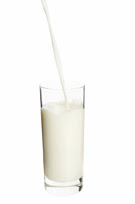

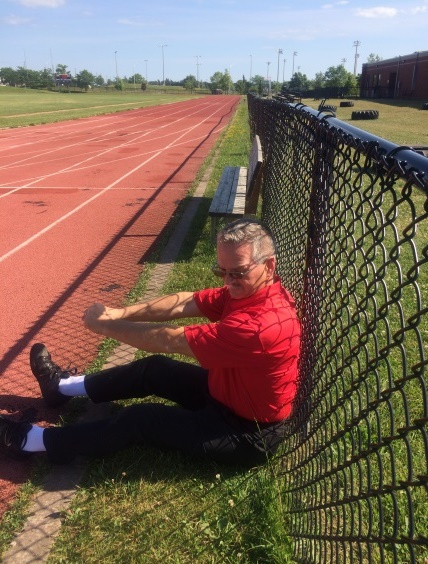
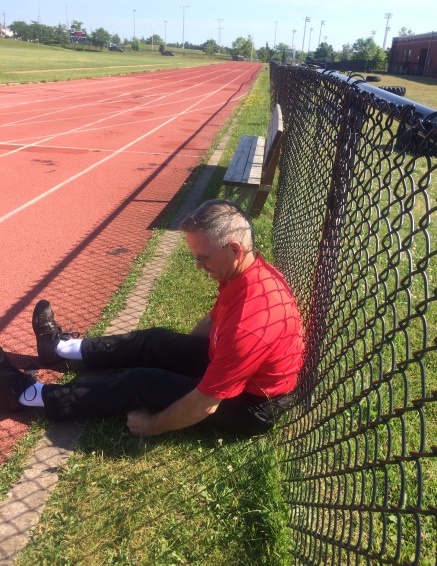


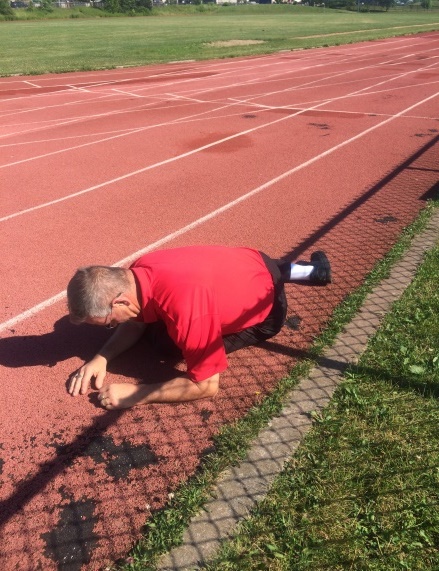
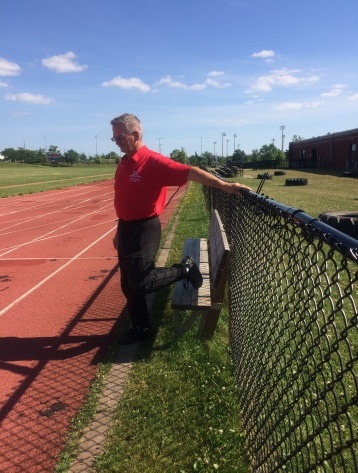

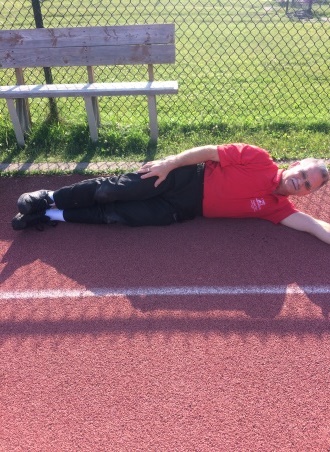
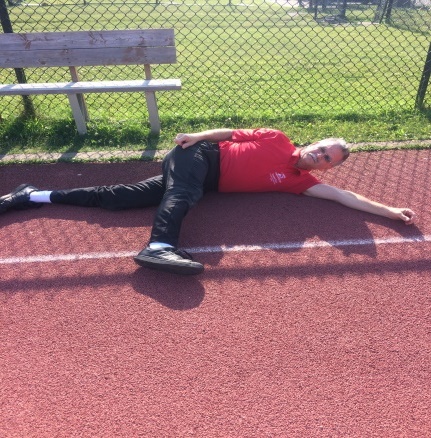


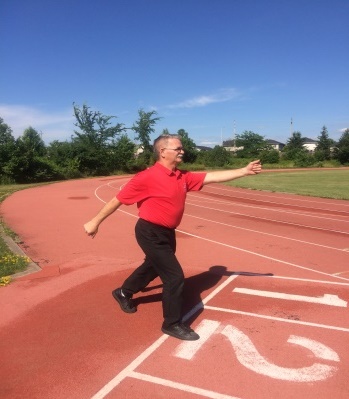

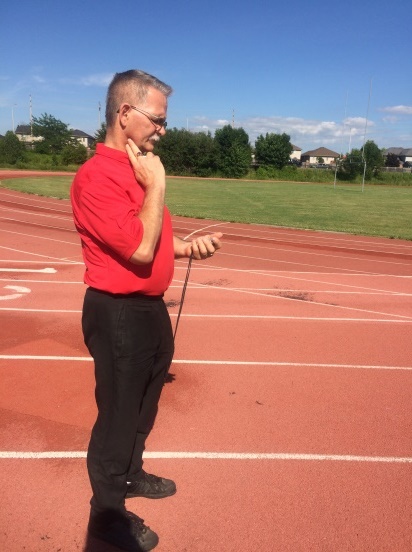




 Physically Fit Seniors